

4th October 2024
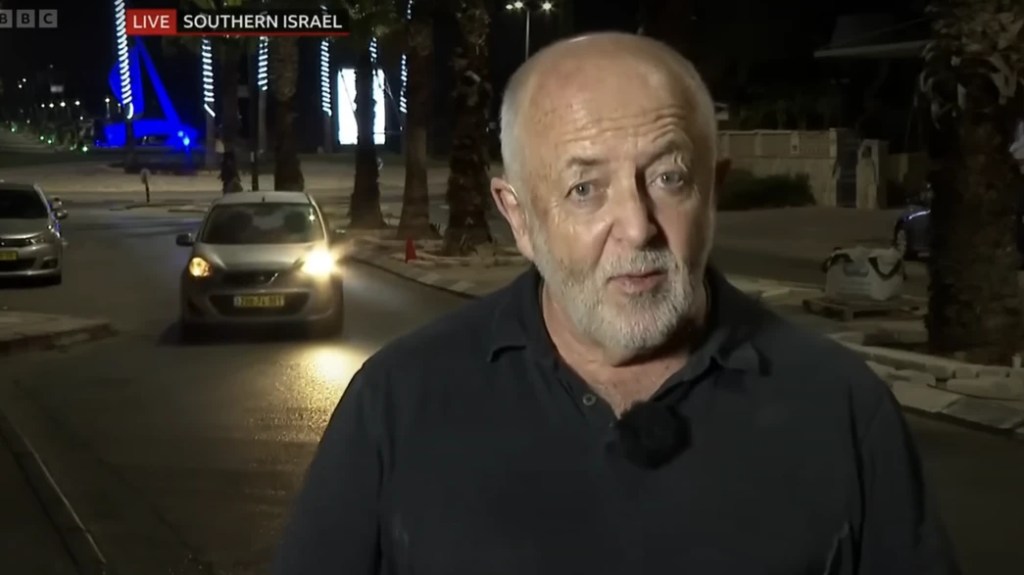
BBC International Editor, Jeremy Bowen
Reporting by the BBC on current conflicts demonstrates the bias of the corporation and the extent to which, in spite of its regular emphasis upon impartiality, the BBC is anything but when it comes to its international coverage.
The Russian incursion into Ukraine in February 2022 was undertaken in order to protect communities who had expressed a wish to become part of Russia, but had suffered at the hands of Ukrainian forces since 2014, resulting in 14,000 deaths. The Minsk Accords, signed in 2015 to halt the fighting, were later admitted by Western governments to be a mere ploy to give Ukraine time to re-arm.
The Russian intervention is nevertheless unfailingly referred to by the BBC as a full scale invasion and the wider context, including the CIA backed coup in Ukraine in 2014, conveniently overlooked.
Even after the intervention by Russia, a peace agreement mediated by Turkey in March 2022 was on the brink of being signed by Ukraine, until the United States persuaded then British Prime Minister, Boris Johnson, to deliver the message to President Zelensky that the “collective West” would not support the agreement.
In an item given widespread coverage by the BBC in the last couple of days, Khalil al-Hayya, the deputy leader of Hamas, was interviewed by BBC international editor Jeremy Bowen. On each occasion al-Hayya was introduced as someone whose views may be abhorrent to many. Bowen was asked to justify why the interview had taken place and why al-Hayya should be given air time.
Bowen dutifully trotted out the BBC line on impartiality and the need to hear all sides in a crisis situation. All very well, but the briefings by Israeli Defence Force (IDF) representatives, committing genocide in Gaza, killing medical teams in the West Bank and currently invading neighbouring Lebanon are not given the same caveat, even though many will find both their views and their actions abhorrent.
It is also noteworthy that the invasion of Lebanon by the IDF is described by the BBC as an ‘incursion’, a characterisation they may struggle to hold onto as the death toll inevitably mounts.
The BBC attempts to protect the illusion of impartiality in other ways too. John Simpson is regularly given his own half hour, titled Unspun World, in which Simpson interviews various BBC correspondents who invariably give a particular spin on events in the part of the world that are covering. The title is not meant to be ironic.
Then there is the BBC Verified branding. Presumably it is the BBC themselves who are undertaking the verification, which is a bit like the police investigating themselves or students marking their own homework. Are they really trying to kid us that a new logo is a guarantee of impartiality and objectivity?
How the Tories can continue to bleat on about the BBC being run by ‘Lefties’ and not toeing the line on issues is laughable. Apart from the odd moment of mild criticism the BBC knows quite clearly on which side its bread is buttered. Sadly it is not the side of investigative journalism, truth and objectivity.
 Avanti Populo