

24th March 2026
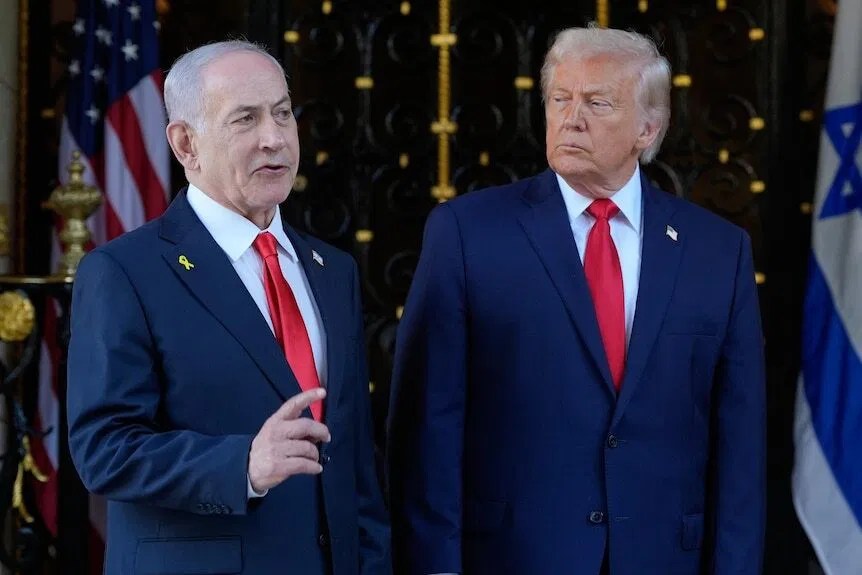
Partners in crime – Benjamin Netanyahu and Donald Trump
On Saturday (21 March) US President Donald Trump gave Iran a 48 hour deadline to open the Strait of Hormuz or the US would destroy Iran’s “various power plants, starting with the biggest one first!”
The Iranian response was to threaten vital energy and desalination facilities in the Gulf region and to close the Strait of Hormuz completely. So far the Iranians have been allowing vessels from “none enemy” countries through the Strait but the US threat could change this.
Since the announcement on Saturday Trump has announced (23 March) the suspension of any action against Iranian power plants for five days, claiming that “very good and productive” conversations have taken place between the US and Iran regarding a “complete and total resolution of hostilities in the Middle East.”
For their part the Iranians deny that any talks have taken place, resulting in a process of ping pong in international oil prices, with the cost per barrel of oil going down after Trump’s words then up again after Iran’s denial.
There is no doubt that Trump has boxed himself into a corner, in spite of the overwhelming imbalance in military might between the US/Israeli axis and Iran, the impact of Iran’s response has shaken the world economy. The reliance of the Gulf states on desalination plants for example to provide water for the population is significant and threats by Iran to target these facilities is a major concern for the energy dictatorships in the region.
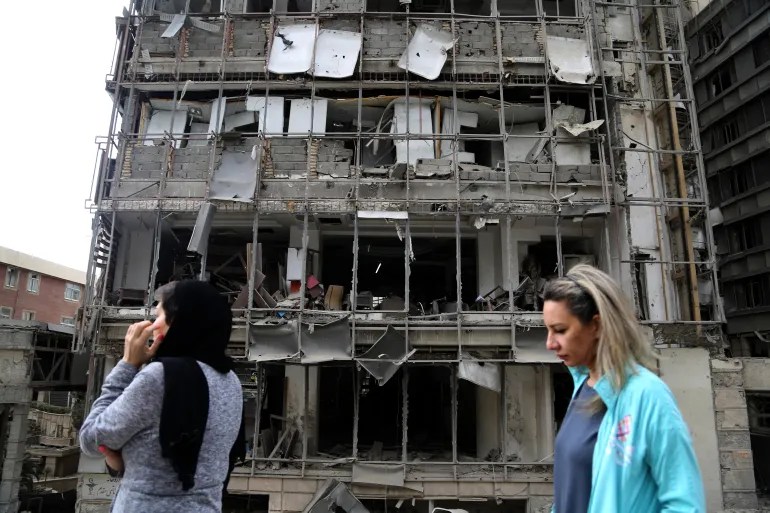
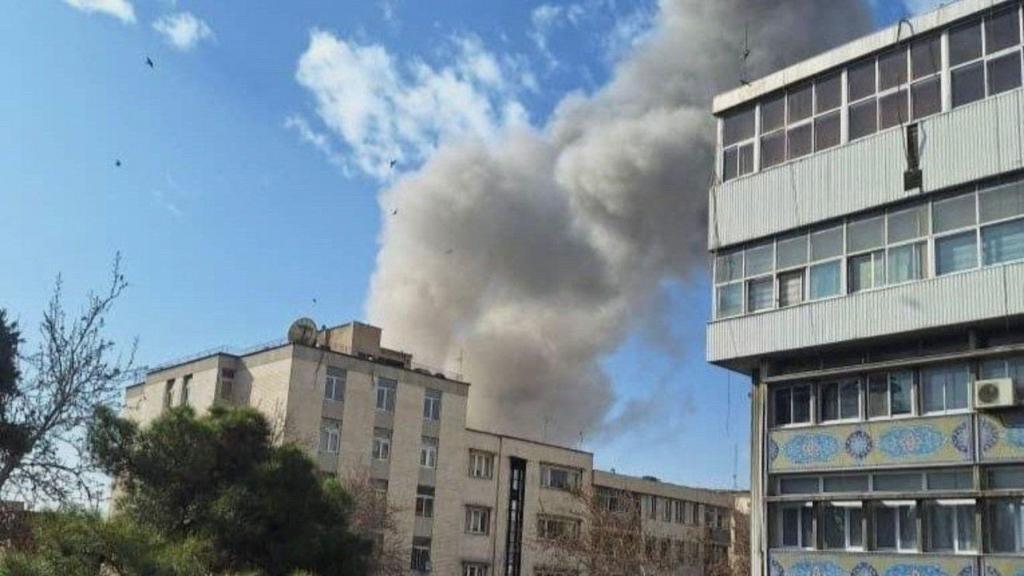
In addition the Israeli Defence Force (IDF) appears to be marching to its own drumbeat with further waves of attacks by Israeli jets upon Tehran being followed by the claim by IDF spokesman, Brig Gen Effie Defrin that,
“We are expected to face several more weeks of fighting against Iran and Hezbollah. With each passing day, we are weakening the terror regime more and more. We will not allow the terror regime and its proxies to pose a threat to the State of Israel.”
In a video message on 23 March Israeli Prime Minister, Benjamin Netanyahu, confirmed the position that Israel would press on with its fundamentalist mission, stating,
“…we are continuing to strike in both Iran and Lebanon. We are smashing the missile program and the nuclear program, and we continue to deal severe blows to Hezbollah.”
Netanyahu gave no indication that the IDF would be winding down its aggression against Iran or its allies in the region any time soon. Also, while the world is watching developments in Iran, the aggression against Palestinians in the West Bank is stepped up as so called Israeli ‘settlers’ continue their illegal land grab of Palestinian property, with the connivance of the IDF and the Israeli state.
Both the US and Israel clearly feel that they can act with impunity, in spite of pressure from across the world to halt their aggressive actions in the region. A recent report by Amnesty International for example has demonstrated conclusively that the missile strike upon a school in Minab in Iran on 28 February, was as a result of US tomahawk missiles. According to the Iranian authorities, 168 people were killed in the attack. At least 110 school children were among the dead, comprising 66 boys and 54 girls, as well as 26 teachers and four parents.
The school building was directly struck, alongside 12 other structures in an adjacent Islamic Revolutionary Guard Corps (IRGC) compound, with guided weapons. This points to a failure by US forces to take feasible precautions to avoid civilian harm in carrying out the attack, which is a serious breach of international humanitarian law.
The fact that the school building was directly targeted and was previously part of the IRGC compound raises concerns that US forces may have relied on outdated intelligence and failed in their obligation to verify that the intended target was a military objective.
The New York Times reported on 11 March 2026 that a preliminary investigation by the US military has found that the strike on the school was the result of reliance on outdated data.
Air strikes across Iran by US and Israeli forces began at 9.45am local time on 28 February and teachers at the school began contacting parents by 10am to ask them to collect children. The school was struck one hour into the military action, at 10.45am.
Shiva Amelirad, the international representative of the Coordinating Council of Iranian Teachers’ Trade Associations, who is based outside Iran and relayed information from two independent sources with direct knowledge of the school and the attack, reported that by the time many families reached the school to pick up their children, it had already been struck.
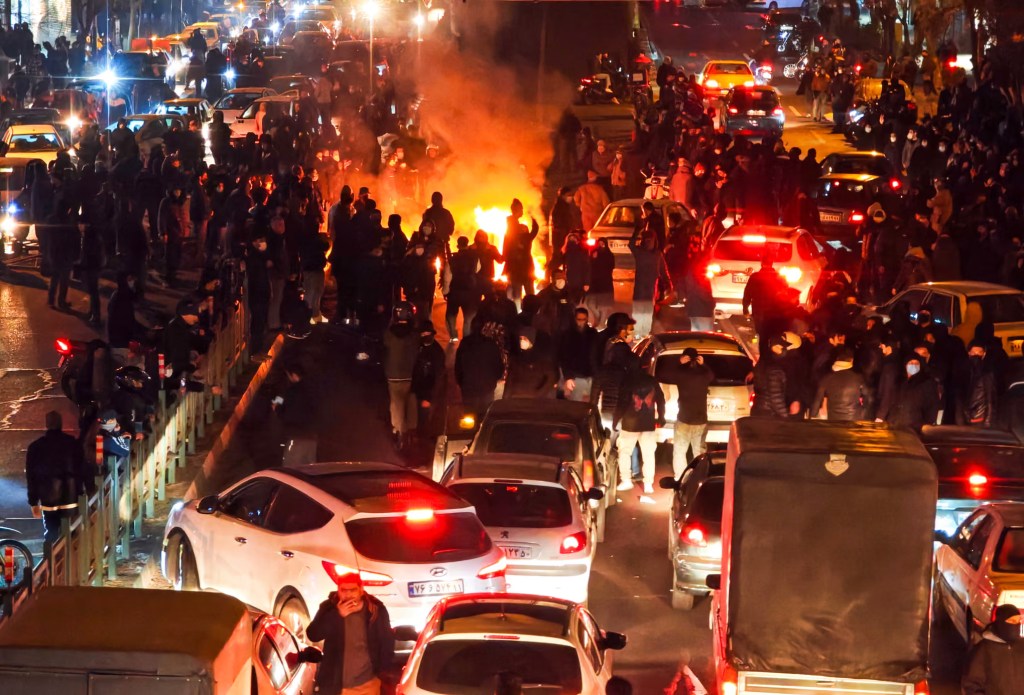
Calls for a ceasefire with a view to finding a negotiated settlement to end the war continue to build across the world as the US/Israeli aggression continues and the impact of Iran’s response is felt upon economies across the globe.
In Britain the national March Together Against the Far Right in London on 28th March is being supported by a Stop the War Campaign feeder march, Together for Palestine Stop Bombing Iran. Details can be found at https://www.stopwar.org.uk/
For more information and regular updates on the situation in Iran go to www.codir.net


 Avanti Populo