

30th July 2023
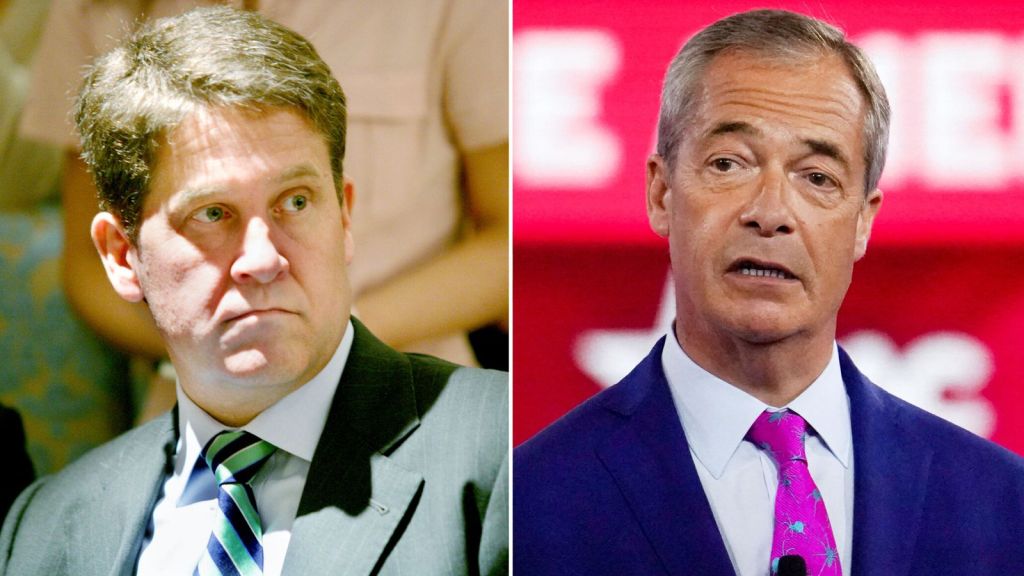
Peter Flavel – former Coutts Bank Chief Executive. Nigel Farage – former Ukip leader
NatWest Bank and its subsidiary for the rich, Coutts, have managed to get themselves into major difficulties over the past couple of weeks. The Chief Executive of NatWest, Dame Alison Rose, was forced to give up her £5m per annum post for blabbing to the BBC about the closure of former Ukip leader, Nigel Farage’s Coutts account. She was swiftly followed by Coutts Chief Executive, Peter Flavel, who claimed that the handling of the case “fell below Coutts high standards.”
All of which begs the question, what are these high standards which Coutts and NatWest are keen to defend?
For starters, you need to be rich enough to have an account and that means holding at least £3m in savings or borrow or invest at least £1m. Established in 1692 Coutts has been the bank of choice for every unelected head of state in Britain since George IV and prides itself on catering to the ultra-wealthy.
Edwin Smith, editor in chief of Spears wealth management magazine is clear that “Coutts is not a regular bank” and sums up its role in saying that,
“It is not unusual to have a high net worth individual come to the UK, open an account with a private bank, and their banker will help secure them expertise across other elements of their life. They will find them a property agent to help find a house, another to help with private schools.”
Nigel Farage, described by Coutts in internal documents as “xenophobic and racist” and a “grifter” was clearly deemed to be a stain on the bank’s reputation. Given that many would argue xenophobia and racism have been Farage’s stock in trade for many years, the question may be asked as to how he measured up to Coutts “high standards” in the first place.
There has been no suggestion from Coutts that it is seeking to flush out other xenophobes or racists in its ranks. Nor is there any likelihood that it will feel itself tarnished by the wealth of the unelected Royal Family, who continue to enjoy privilege at the expense of working class taxpayers while providing nothing in return.
Details of the Coutts client base are not freely available but the NatWest Group, Coutts’ parent company, is still owned 39% by the taxpayer, a consequence of the government having to bail out the banks gambling debts, following the financial crash of 2008, so you might expect there to be some level of accountability to the people who saved their shirts.
Not so of course. The banking sector is part of the closed circle of capitalism’s financial, military and industrial networks, designed to ensure that so called “high net worth individuals” are looked after as part of the ruling class strategy of ensuring that power, influence and privilege remains in their hands.
In the meantime, the true high net worth individuals in Britain continue to struggle to make ends meet. Nurses, junior doctors, rail workers, teachers, local government workers are all in various stages of pay negotiation or direct dispute, in an effort just to keep their pay in line with inflation. The Bank of England base rate is currently 5%, the highest in 15 years. This week the Bank is expected to put interest rates up by another one-quarter percent, piling the pressure on those with mortgages and giving landlords an excuse to increase rents further for those in the private sector.
Economic pundits, regularly wheeled out by the BBC and quoted in the media, continue to blame wage increases for inflation, pushing the pressure back upon the victims of British capitalism’s crisis to not make too many demands.
The reality however is that food prices have been rising sharply over the past year and were 17.3% higher in June 2023 compared with a year before, down from the 45-year high of 19.1% set in March 2023. Over the two years from June 2021 to June 2023 food prices rose by 28.8%. It previously took over 13 years, from March 2008 to June 2021, for average food prices to rise by the same amount.
In addition, the sharp increase in energy prices has been a key driver of inflation, with household energy tariffs and road fuel costs increasing. Gas prices increased to record levels and continued to rise during much of 2022 due to cuts in Russian supply. Electricity prices are linked to gas prices and have followed a similar trend. From June 2022 to June 2023, domestic gas prices increased by 36% and domestic electricity prices by 17%.
As a consequence, the energy giants continue to profit. While Shell profits were down in the second quarter this year, they still amounted to a staggering $5 billion and were in line with the same quarter prior to 2022, which was a bumper profit year.
In case anyone was deluded into thinking that with great profits comes social responsibility in June, Shell Chief Executive Officer, Wael Sawan, outlined plans to boost shareholder returns and improve performance, including by keeping oil output steady, growing natural gas output and slowing down investments in lower-return renewable energy.
BP also made a tidy $5 billion profit this quarter and, looking forward, “expects oil prices to remain elevated” due to a recent decision by OPEC+ to restrict production, combined with strengthened Chinese demand.
Once again, while those earning wages struggle and the planet suffers the consequences of global warming, the energy giants laugh all the way to the bank. It may even be Coutts, assuming they meet their exacting “high standards.”
Until banking arrangements are subject to a planned, structured approach to investment, as part of a socialist economy, their primary function will be to service capitalism and protect the interests of the ruling class. That planned economy will of necessity have public control of energy resources and supply at its heart, so that all profit is returned to the people in the form of lower bills or investment in cleaner energy options.
On both questions the current Labour leadership is supine. The time is rapidly coming when it will need to both stand up and be counted.
 Avanti Populo