

17th November 2022
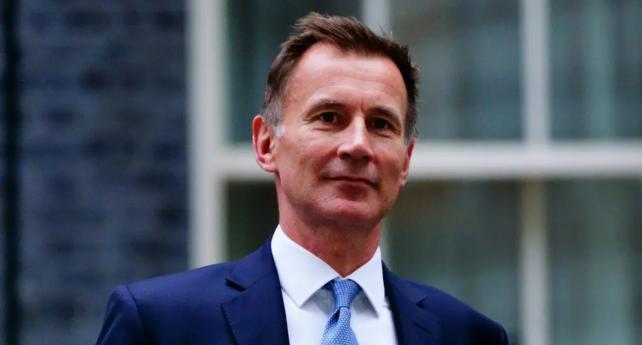
Chancellor Jeremy Hunt – no more than a confidence trickster
The lowest living standards for over half a century; the lowest growth rate of the major capitalist economies; wage restraint and draconian trade union legislation to shackle demands for higher pay; military spending amongst the highest of NATO members, with the exception of the United States, and set to increase by 50%; an eye watering multi billion pound bill in prospect for the renewal of Trident nuclear submarines; millions poured into arming the nationalist right wing government of Ukraine; twelve years of austerity and public spending squeezed under Tory governments.
This was the backdrop, though not mentioned, in the Autumn Budget Statement of British Chancellor, Jeremy Hunt, this week. However, all play their part in informing the carefully constructed political choices which Hunt tried to portray as inevitable when he delivered his statement to the House of Commons.
The Tory narrative preceding the budget has been built around fixing the outcomes resulting from the disastrous budget of former Chancellor, Kwasi Kwarteng; the need to restore market confidence; and the necessity of filling an alleged £50 billion economic black hole, through a combination of public spending restraint and tax rises. The BBC and the media in general have bought into this version of events and helped prepare the public for a ‘tough but necessary’ approach to the Autumn Statement.
The announcements made by Hunt, retaining the triple lock on pensions; raising benefits in line with inflation; and retaining some support for energy bills, even though the ‘average’ bill will rise to £3,000 per year; were all designed to create the illusion of a fair and balanced budget. This was offset by the highest tax rate band being dropped to include those earning £125,000 per year and the windfall tax on energy companies being increased from 25% to 35%, even though much of that can be claimed back if they invest in new gas or oil exploration.
Hunt did not close tax loopholes for those with non-dom status; levy a wealth tax on the wealthiest 1%; or reinstate the cap on banker’s bonuses, lifted by his predecessor. More tax will not be paid by the very wealthiest, while a freeze on tax thresholds till 2028 will draw more of those on low pay into the tax net.
The fiscal ‘black hole’ is nothing more than the usual Tory confidence trick dressed up as economic necessity. The so called black hole is effectively the gap between what the Office for Budget Responsibility (OBR) predict the national debt will be, compared to where Hunt would like it to be. This is not an economic necessity, it is a political choice. Borrowing to fund tax cuts for the rich, as proposed by Kwarteng, is one thing but borrowing to invest in renewing schools, hospitals, transport infrastructure, renewable energy and the digital future is not action that would spook markets, even in capitalist terms.
In theory these are political choices Hunt could have made. The reality however is that Hunt is no more a friend of the working class than Kwasi Kwarteng. Hunt has played a key role in Tory governments over the past 12 years and has sat in Cabinets which have presided over the demise of the British economy throughout that period.
Like the Cameron / Osborne years of austerity the Sunak / Hunt model is no different. It is being packaged as an antidote to the recklessness of the Truss / Kwarteng overnight stay but it is the same old Tory wine in not very new bottles.
The winter will be a tough one for working class families. Average energy bills at £2,500 were always going to be a challenge, as many of the poorest spend more than the average on energy. That average escalating to £3,000 will not help. Inflation now running at over 11% will continue to bite. Mortgage rates continue to climb for those buying their homes and rents look set to rise for those unable to save for a mortgage deposit.
Local councils will be allowed to raise Council Tax by up to 5%, which they may have to do to maintain essential local services but, once again, it is the communities who need those services the most who are going to have to pay more for them.
Yet again a Tory budget is a budget of the rich, by the rich, for the rich. However Hunt tries to dress it up, blame the Russians or blame the pandemic, that is the reality. Mass opposition, support for those on strike for higher pay, support for local communities struggling against service cuts, will all be key to building resistance as the General Election looms. That resistance is growing and must get stronger in order to expose yet another Tory confidence trick.
 Avanti Populo